
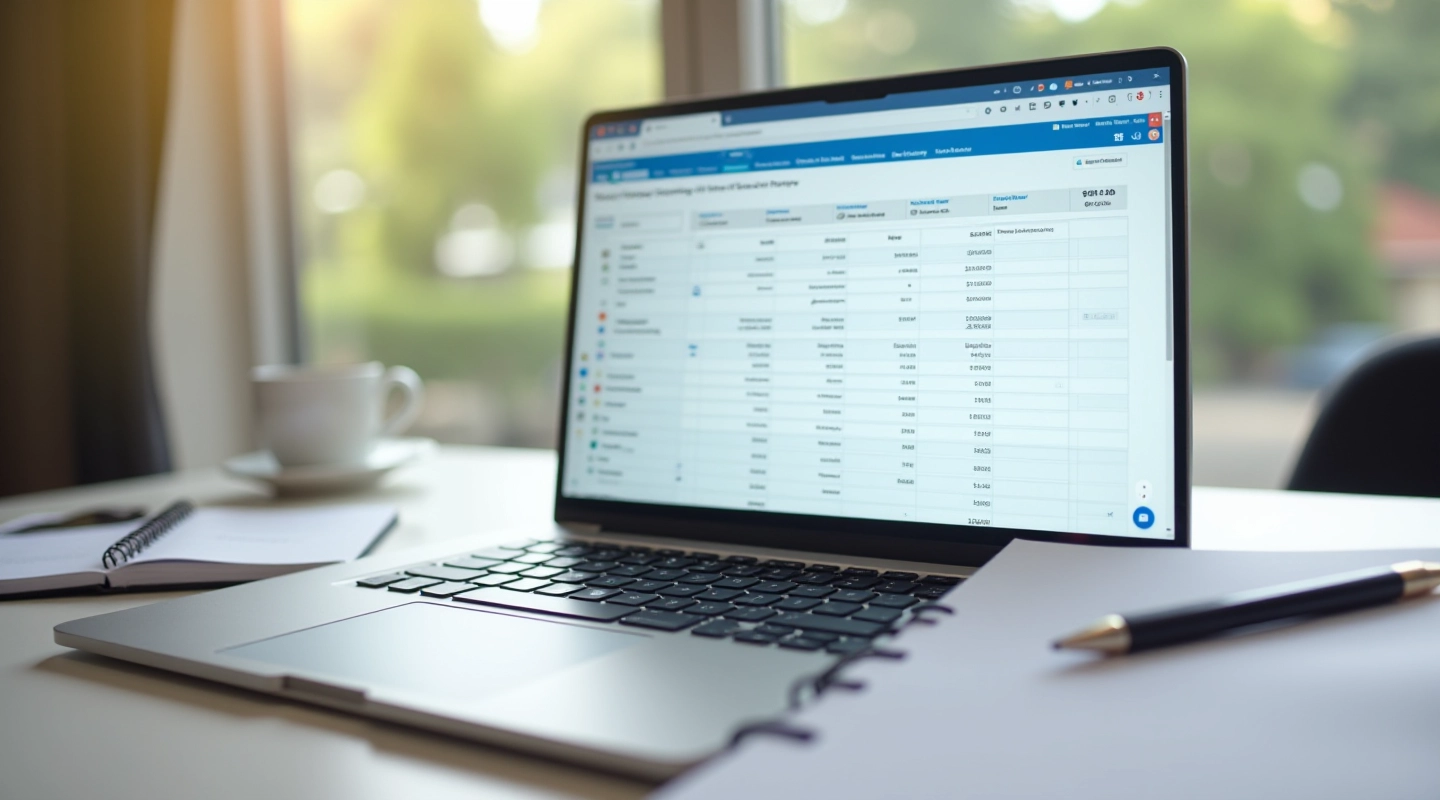
Setting Up Your Revenue Tracking System
Start tracking income properly from day one. We'll walk through the spreadsheet structure that makes tax time and financial planning actually manageable.
Stop living paycheck to paycheck. Learn how to predict your cash flow three months ahead so you're never surprised by slow months.

Author
Editorial Team
Written by the GigFlow editorial team, focused on practical, honest guidance for freelancers managing their side hustle finances.
The biggest challenge with freelance work isn't the work itself — it's the money showing up at random times. One month you're booked solid, the next month feels quiet. That's when panic sets in.
A cash flow forecast changes everything. It's not complicated. You're basically predicting what money's coming in over the next 90 days based on your current contracts and typical patterns. When you know what's coming, you can make better decisions about expenses, savings, and when to push for new clients.
We're talking about a simple spreadsheet or even a notebook. Nothing fancy. Just realistic numbers that help you sleep better at night.

Start by looking back. Pull together the last 6-12 months of invoices and actual payments received. You're looking for patterns. When do clients typically pay? Are there seasonal dips? Which services bring in the most consistent income?
Write down your average monthly revenue. If it varies wildly, break it down by client or service type. Don't estimate — use actual numbers. If you've got irregular income, look for the low months and the high months. That range matters.
Also track your regular expenses. Rent, software subscriptions, equipment — the stuff you know is coming. This forms your baseline burn rate. The difference between income and expenses is what you're actually forecasting.

Create a simple grid. Months across the top. Income, expenses, and net cash flow down the side. For the next three months, fill in what you know for sure. If you've got contracts signed for August, that's going in August. If you've quoted work but haven't landed it yet, don't count it yet.
For months with gaps, use your historical average. If you typically bring in $4,000 per month but have nothing booked yet, use $4,000 as your conservative estimate. You can always revise upward if new work comes in.
The key is being realistic, not optimistic. It's way better to forecast $3,500 and actually land $5,000 than to forecast $6,000 and watch your account go negative. You're looking for a safety margin here.

This is where most people mess up. You don't get paid when you send the invoice — you get paid when the money actually hits your account. That gap matters.
If a client typically pays you in 30 days, an invoice sent on August 15th shows up in your cash flow in mid-September. If they pay in 45 days, that's October. Know your payment terms with each client and adjust your forecast accordingly.
This is especially important if you're planning to use that money for something specific. If you need cash in September, invoices you're sending in August might not help. Plan around when the actual money arrives.

Don't overthink this. A forecast doesn't have to be perfect — it just needs to be realistic. Spend 20 minutes at the start of each month updating it. Cross off the month that just happened. Add a new month to the end. Adjust numbers based on what actually came in.
You'll get better at this the more you do it. After three or four months, you'll start seeing patterns you didn't notice before. Slow seasons. High-revenue periods. Times when you need to scramble for work versus times you can be picky about projects.
That's the real power here. Not just knowing what's coming — but understanding your own business well enough to make smart decisions about it. A forecast isn't a crystal ball. It's just you paying attention to your own patterns and using that knowledge to plan ahead.
This article is educational only and is not financial or investment advice. Outcomes are not guaranteed and may vary. Everyone's freelance situation is different — adjust these approaches to match your specific circumstances and consult with a financial professional if you need personalized guidance.
Continue building your freelance financial foundation
Start tracking income properly from day one. We'll walk through the spreadsheet structure that makes tax time and financial planning actually manageable.
Miss a tax deadline? It's stressful. This guide covers the key dates for Calgary freelancers so you're never scrambling at the last minute.

The percentage question every gig worker asks. We'll show you the calculation method that works for most freelancers and how to adjust it for your situation.